è
.header-widgets-wrapper, .content-wrap-bg { background-color: }
.featured-sidebar, .featured-sidebar ul li { border-color: !important; }
.page-numbers li a, .blogposts-list .blogpost-button, .page-numbers.current, span.page-numbers.dots { background: ; }
.banner-widget-wrapper p, .banner-widget-wrapper h1, .banner-widget-wrapper h2, .banner-widget-wrapper h3, .banner-widget-wrapper h4, .banner-widget-wrapper h5, .banner-widget-wrapper h6, .banner-widget-wrapper ul, .banner-widget-wrapper{ color: }
.banner-widget-wrapper a, .banner-widget-wrapper a:hover, .banner-widget-wrapper a:active, .banner-widget-wrapper a:focus{ color: ; }
.banner-widget-wrapper ul li { border-color: ; }
body, .site, .swidgets-wrap h3, .post-data-text { background: ; }
.site-title a, .site-description { color: ; }
.header-bg { background-color: !important; }
.main-navigation ul li a, .main-navigation ul li .sub-arrow, .super-menu .toggle-mobile-menu,.toggle-mobile-menu:before, .mobile-menu-active .smenu-hide { color: ; }
#smobile-menu.show .main-navigation ul ul.children.active, #smobile-menu.show .main-navigation ul ul.sub-menu.active, #smobile-menu.show .main-navigation ul li, .smenu-hide.toggle-mobile-menu.menu-toggle, #smobile-menu.show .main-navigation ul li, .primary-menu ul li ul.children li, .primary-menu ul li ul.sub-menu li, .primary-menu .pmenu, .super-menu { border-color: ; border-bottom-color: ; }
#secondary .widget h3, #secondary .widget h3 a, #secondary .widget h4, #secondary .widget h1, #secondary .widget h2, #secondary .widget h5, #secondary .widget h6 { color: ; }
#secondary .widget a, #secondary a, #secondary .widget li a , #secondary span.sub-arrow{ color: ; }
#secondary, #secondary .widget, #secondary .widget p, #secondary .widget li, .widget time.rpwe-time.published { color: ; }
#secondary .swidgets-wrap, .featured-sidebar .search-field { border-color: ; }
.site-info, .footer-column-three input.search-submit, .footer-column-three p, .footer-column-three li, .footer-column-three td, .footer-column-three th, .footer-column-three caption { color: ; }
.footer-column-three h3, .footer-column-three h4, .footer-column-three h5, .footer-column-three h6, .footer-column-three h1, .footer-column-three h2, .footer-column-three h4, .footer-column-three h3 a { color: ; }
.footer-column-three a, .footer-column-three li a, .footer-column-three .widget a, .footer-column-three .sub-arrow { color: ; }
.footer-column-three h3:after { background: ; }
.site-info, .widget ul li, .footer-column-three input.search-field, .footer-column-three input.search-submit { border-color: ; }
.site-footer { background-color: ; }
.archive .page-header h1, .blogposts-list h2 a, .blogposts-list h2 a:hover, .blogposts-list h2 a:active, .search-results h1.page-title { color: ; }
.blogposts-list .post-data-text, .blogposts-list .post-data-text a{ color: ; }
.blogposts-list p { color: ; }
.page-numbers li a, .blogposts-list .blogpost-button, span.page-numbers.dots, .page-numbers.current, .page-numbers li a:hover { color: ; }
.archive .page-header h1, .search-results h1.page-title, .blogposts-list.fbox, span.page-numbers.dots, .page-numbers li a, .page-numbers.current { border-color: ; }
.blogposts-list .post-data-divider { background: ; }
.page .comments-area .comment-author, .page .comments-area .comment-author a, .page .comments-area .comments-title, .page .content-area h1, .page .content-area h2, .page .content-area h3, .page .content-area h4, .page .content-area h5, .page .content-area h6, .page .content-area th, .single .comments-area .comment-author, .single .comments-area .comment-author a, .single .comments-area .comments-title, .single .content-area h1, .single .content-area h2, .single .content-area h3, .single .content-area h4, .single .content-area h5, .single .content-area h6, .single .content-area th, .search-no-results h1, .error404 h1 { color: ; }
.single .post-data-text, .page .post-data-text, .page .post-data-text a, .single .post-data-text a, .comments-area .comment-meta .comment-metadata a { color: ; }
.page .content-area p, .page article, .page .content-area table, .page .content-area dd, .page .content-area dt, .page .content-area address, .page .content-area .entry-content, .page .content-area li, .page .content-area ol, .single .content-area p, .single article, .single .content-area table, .single .content-area dd, .single .content-area dt, .single .content-area address, .single .entry-content, .single .content-area li, .single .content-area ol, .search-no-results .page-content p { color: ; }
.single .entry-content a, .page .entry-content a, .comment-content a, .comments-area .reply a, .logged-in-as a, .comments-area .comment-respond a { color: ; }
.comments-area p.form-submit input { background: ; }
.error404 .page-content p, .error404 input.search-submit, .search-no-results input.search-submit { color: ; }
.page .comments-area, .page article.fbox, .page article tr, .page .comments-area ol.comment-list ol.children li, .page .comments-area ol.comment-list .comment, .single .comments-area, .single article.fbox, .single article tr, .comments-area ol.comment-list ol.children li, .comments-area ol.comment-list .comment, .error404 main#main, .error404 .search-form label, .search-no-results .search-form label, .error404 input.search-submit, .search-no-results input.search-submit, .error404 main#main, .search-no-results section.fbox.no-results.not-found{ border-color: ; }
.single .post-data-divider, .page .post-data-divider { background: ; }
.single .comments-area p.form-submit input, .page .comments-area p.form-submit input { color: ; }
.bottom-header-wrapper { padding-top: px; }
.bottom-header-wrapper { padding-bottom: px; }
.bottom-header-wrapper { background: ; }
.bottom-header-wrapper *{ color: ; }
.header-widget a, .header-widget li a, .header-widget i.fa { color: ; }
.header-widget, .header-widget p, .header-widget li, .header-widget .textwidget { color: ; }
.header-widget .widget-title, .header-widget h1, .header-widget h3, .header-widget h2, .header-widget h4, .header-widget h5, .header-widget h6{ color: ; }
.header-widget.swidgets-wrap, .header-widget ul li, .header-widget .search-field { border-color: ; }
.header-widgets-wrapper .swidgets-wrap{ background: ; }
.primary-menu .pmenu, .super-menu, #smobile-menu, .primary-menu ul li ul.children, .primary-menu ul li ul.sub-menu { background-color: ; }
#secondary .swidgets-wrap{ background: ; }
#secondary .swidget { border-color: ; }
.archive article.fbox, .search-results article.fbox, .blog article.fbox { background: ; }
.comments-area, .single article.fbox, .page article.fbox { background: ; }
Skip to content
Sony Group Corporation has started a new research project focused on using artificial intelligence to improve astronomical imaging. The goal is to reduce noise in images captured by telescopes and space observatories. This work is part of Sony’s broader effort to apply its imaging technology beyond consumer electronics.

(Sony’s AI Research Aims to Reduce Noise in Astronomical Imaging)
The team at Sony AI, the company’s artificial intelligence division, is developing deep learning models trained on real and simulated astronomical data. These models aim to distinguish between actual celestial signals and unwanted visual interference. Noise often comes from sensor limitations, atmospheric distortion, or low light conditions. Removing it without losing important details is a major challenge.
Sony’s approach uses its expertise in image sensors and signal processing. The company has long produced high-sensitivity sensors used in scientific cameras. Now, it is combining that hardware knowledge with AI software to create smarter image enhancement tools. Early tests show promising results in cleaning up faint structures in deep-space images.
This research could benefit both professional astronomers and space agencies. Clearer images mean better data for studying stars, galaxies, and other cosmic phenomena. It may also help future missions that rely on autonomous image analysis. Sony plans to share its findings with the scientific community through collaborations and publications.
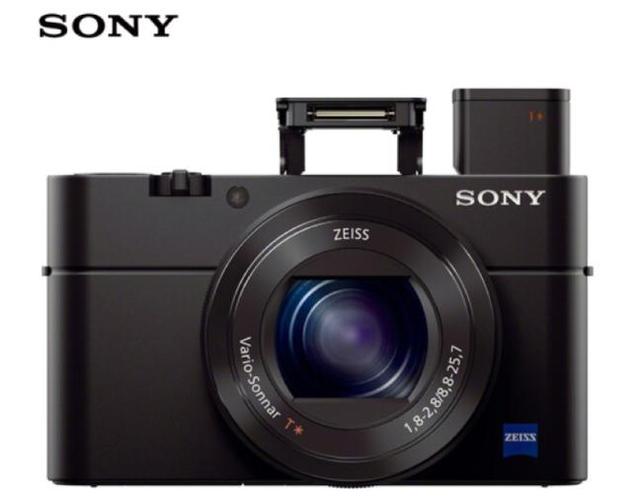
(Sony’s AI Research Aims to Reduce Noise in Astronomical Imaging)
The project builds on Sony’s history of innovation in imaging. From consumer cameras to medical and industrial applications, the company has consistently pushed sensor performance. Applying AI to astronomy is a natural next step. It shows how advances in one field can support progress in another. Sony believes this work will open new possibilities for how we see and understand the universe.